The Future is Now: How Smart Tech is Reshaping Our World
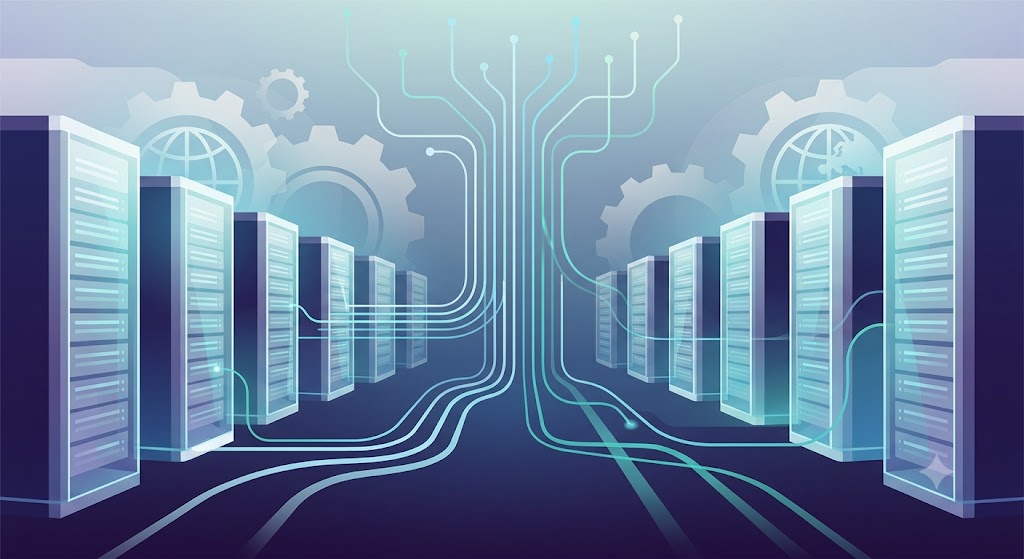
Smart technology, often defined by the convergence of the Internet of Things (IoT), artificial intelligence, and ubiquitous connectivity, has fundamentally altered the landscape of our daily lives. This transformation is not just about isolated gadgets but about creating intelligent ecosystems that adapt to human needs. From the moment we wake up to interconnected devices managing our environment, smart tech is weaving a new digital fabric.
One of the most visible impacts is within our homes. Smart home devices—ranging from voice-activated assistants to intelligent thermostats and security systems—allow for unprecedented control and efficiency. These systems can learn our preferences, optimizing energy use by adjusting heating and lighting based on occupancy and time of day. This automation extends beyond simple convenience, offering potential solutions for energy conservation and enhanced accessibility for individuals with limited mobility.
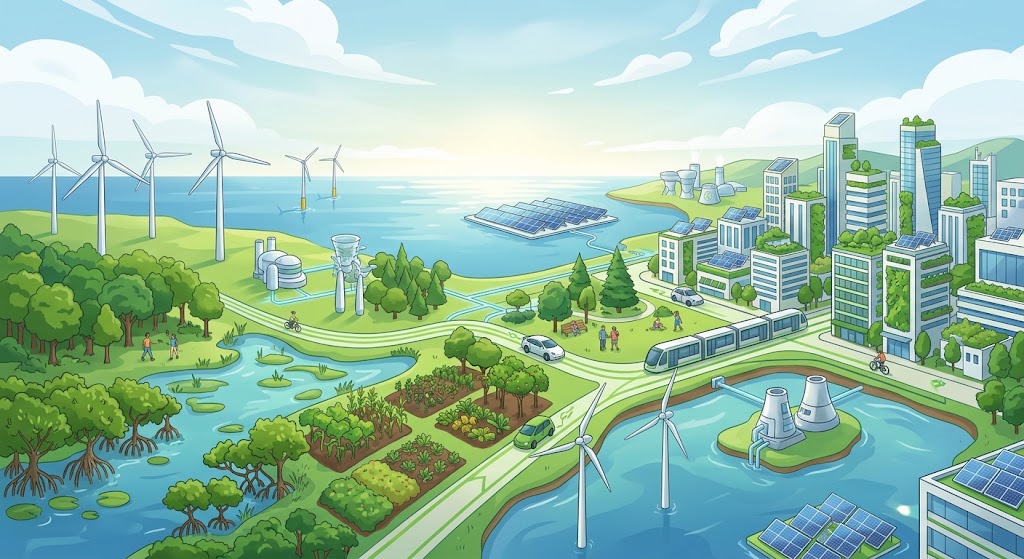
The influence of smart tech extends far beyond individual households into the very infrastructure of our urban environments. Smart cities are utilizing sensory networks and data analytics to optimize traffic flow, reduce energy consumption in public lighting, and improve waste management. Real-time data from millions of connected sensors allows city planners to respond to challenges more efficiently, creating a more sustainable and responsive urban ecosystem. This integration of technology into public services represents a significant step in the ongoing digital transformation of society.
However, the rapid integration of smart technology also presents critical challenges, particularly regarding data security and privacy. As our devices become more interconnected, they generate vast amounts of personal data, raising important questions about consent, surveillance, and data ownership. Addressing these concerns is crucial for maintaining public trust and ensuring that the benefits of smart technology are accessible to all without compromising individual rights.
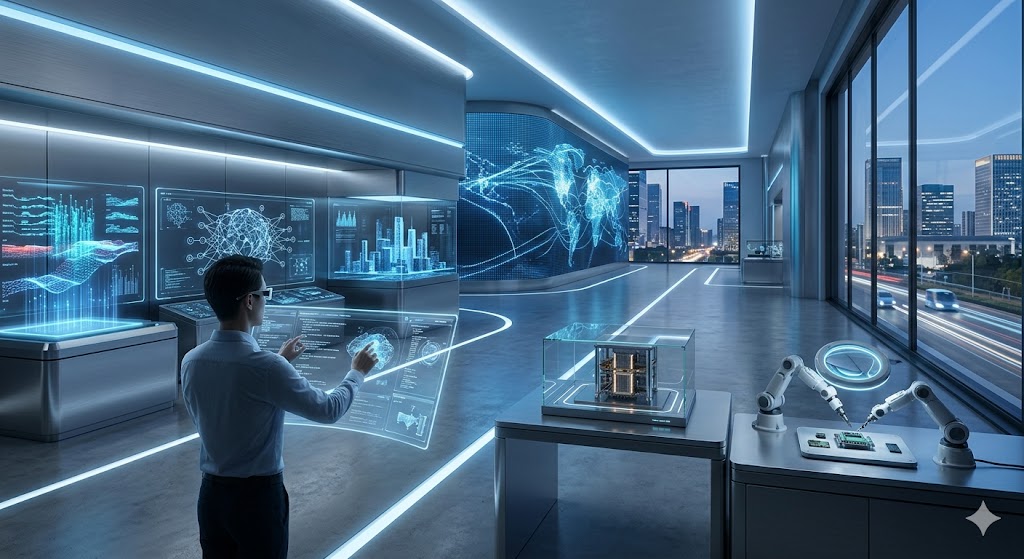
Looking forward, the potential for innovation in the smart tech sector remains boundless. The evolution of AI and the deployment of faster network technologies will likely lead to even more seamless and intuitive integrations. The future promises a world where our technology anticipates our needs, where systems interact autonomously for greater efficiency, and where connectivity is the cornerstone of a more integrated and sustainable global society.